
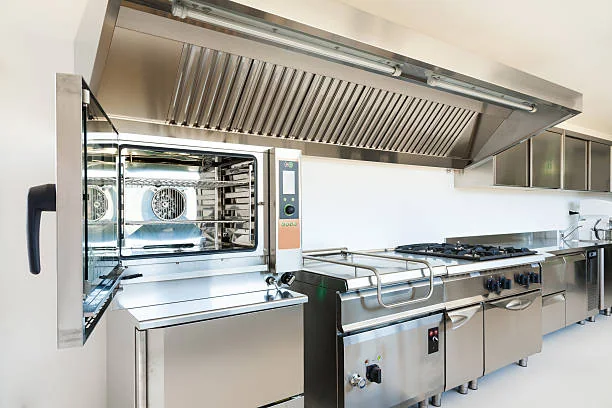
Restaurants and diners
Ranges, burners and convection ovens need predictable flame, heat and recovery.
Commercial oven and range repair covers ignition failures, uneven or dropping heat, thermostat drift, convection fan faults and door and gasket problems on convection ovens, deck ovens and heavy duty ranges.
Commercial oven and range repair covers ignition failures, uneven or dropping heat, thermostat drift, convection fan faults and door and gasket problems on convection ovens, deck ovens and heavy duty ranges.
Ovens and ranges are diagnosed around how the kitchen actually uses them during prep and service.
Ranges, burners and convection ovens need predictable flame, heat and recovery.
Uneven bake or thermostat drift can ruin batches before a hard failure appears.
Banquet schedules need dispatch planned around prep, load-in and service windows.
Commercial oven and range repair covers ignition failures, uneven or dropping heat, thermostat drift, convection fan faults and door and gasket problems on convection ovens, deck ovens and heavy duty ranges.
Cavity temperature is measured against the control setting through a full cycle. Drift usually traces to the thermostat, the gas valve regulation or a failed door gasket. Uneven heat across a deck points to burner or baffle condition rather than the control. In a production kitchen, the goal is confirming the fault without pulling the line out of service longer than necessary.
Commercial ranges and ovens run on live gas supply lines with safety valves and pilot or spark ignition. Kitchen staff must not attempt to relight, adjust, clean or reseat any gas component. If gas is smelled, shut down service in that area, leave the space, and contact the gas utility from outside before calling for repair. All gas and combustion work is performed by a qualified technician.
Commercial ovens and ranges repair is available in selected ZIP codes in Brooklyn, Nassau and Suffolk counties, Westchester County, and Greenwich, CT.