
Bars and taprooms
High-volume bins and glass service need clean harvest cycles and predictable cube output.
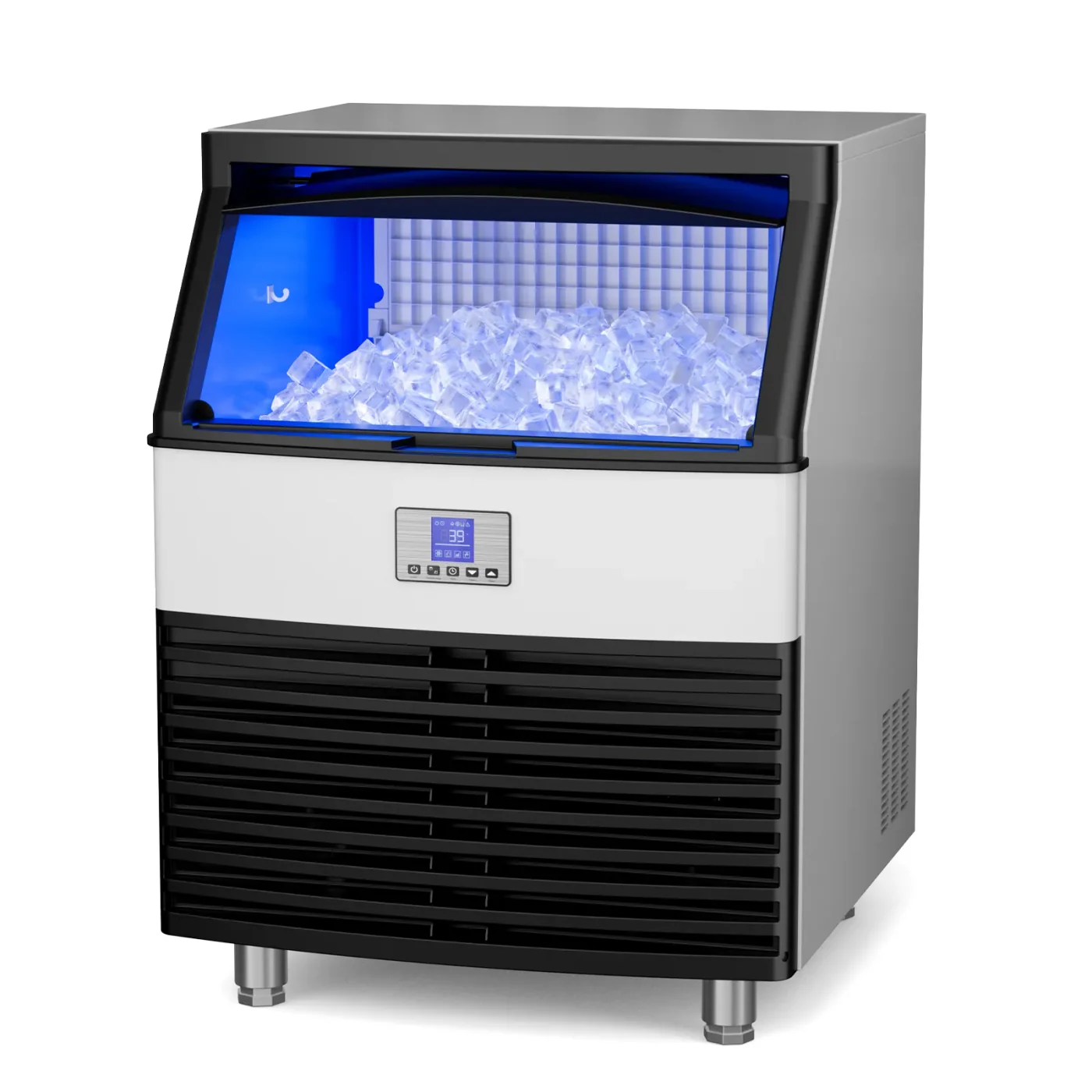
Commercial ice machine repair covers low or stopped production, thin and cloudy cubes, harvest cycle failures, scale and water quality problems, and drain or leak faults on modular and undercounter machines.
Commercial ice machine repair covers low or stopped production, thin and cloudy cubes, harvest cycle failures, scale and water quality problems, and drain or leak faults on modular and undercounter machines.
Ice equipment is not a background appliance for these accounts; it is part of service capacity.
High-volume bins and glass service need clean harvest cycles and predictable cube output.
Multiple shifts depend on bin capacity, remote condensers and quick fault triage.
Cloudy ice, water leaks or pressure faults get checked before the dinner rush.
Commercial ice machine repair covers low or stopped production, thin and cloudy cubes, harvest cycle failures, scale and water quality problems, and drain or leak faults on modular and undercounter machines.
Tri-state water carries enough mineral content that scale is the leading cause of falling production. The visit covers the evaporator plate condition, the water distribution tube, filtration status, the float or water level control and the harvest cycle timing. Cleaning and descaling are diagnosed as part of the fault, not sold as an add-on.
An ice machine that keeps up overnight but falls behind during a busy shift is usually limited by condenser heat rejection or water supply rather than by the refrigeration circuit. Ambient temperature around the machine is measured, since machines installed in hot back-of-house spaces lose capacity quickly.
Commercial ice machine repair is available in selected ZIP codes in Brooklyn, Nassau and Suffolk counties, Westchester County, and Greenwich, CT.